
Why Your Circuit Breaker Keeps Tripping (Causes and Solutions)
If your circuit breaker keeps tripping, it usually means your electrical system is protecting itself from a potential hazard. Circuit breakers are designed to shut off power when they detect overloads, short circuits, or electrical faults. While occasional trips can be normal, a breaker that trips frequently may indicate a deeper electrical problem that needs attention.
This guide explains the most common reasons why a circuit breaker keeps tripping and what homeowners can do to troubleshoot the issue safely.
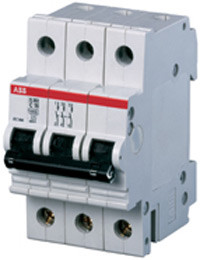 What Does It Mean When a Circuit Breaker Trips?
A circuit breaker trips when it detects electrical current exceeding safe limits. When this happens, the breaker automatically shuts off power to prevent overheating, electrical fires, or damage to appliances and wiring.
If your breaker repeatedly shuts off power, it's important to identify the cause rather than simply resetting the breaker each time.
Overloaded Circuits
The most common reason a breaker trips is an overloaded circuit. This occurs when too many appliances or devices draw power from the same circuit at the same time.
High-wattage appliances such as space heaters, microwaves, hair dryers, and portable air conditioners can easily exceed the circuit's capacity.
To prevent overloads:
- Spread appliances across multiple circuits
- Avoid using several high-power devices on one outlet
- Unplug unused electronics
Short Circuits
A short circuit occurs when a hot electrical wire touches a neutral wire or grounded metal component. This creates a sudden surge of electrical current that forces the breaker to trip immediately.
Short circuits may be caused by:
- Damaged wiring
- Loose electrical connections
- Faulty outlets or switches
- Defective appliances
Because short circuits can create dangerous electrical conditions, they should be inspected by a qualified electrician.
Ground Faults
Ground faults occur when electrical current flows outside the intended circuit path and contacts a grounded surface. This type of fault commonly happens in areas where water is present, such as kitchens, bathrooms, garages, and outdoor outlets.
Ground fault circuit interrupter (GFCI) breakers are designed to detect these conditions and shut off power quickly to prevent electric shock.
Faulty Appliances
If a breaker trips when a specific appliance is turned on, that device may be malfunctioning. Appliances with damaged cords, worn internal components, or electrical faults can draw excessive current and cause breakers to trip.
Try unplugging the appliance and resetting the breaker. If the breaker stops tripping, the appliance may require repair or replacement.
Old or Worn Circuit Breakers
Although circuit breakers are designed for long service life, they can eventually wear out. A breaker that trips repeatedly or fails to stay reset may be defective.
In older homes, the electrical panel itself may also be outdated and may not handle modern electrical loads effectively.
When to Call an Electrician
While homeowners can safely reset a breaker, recurring electrical problems should be evaluated by a licensed electrician. Electrical professionals can diagnose wiring issues, replace defective breakers, and determine whether your panel needs upgrading.
Addressing these problems early helps prevent damage to appliances and reduces the risk of electrical fires.
Choosing the Right Replacement Circuit Breaker
If a breaker needs replacement, it is important to select one that is compatible with your electrical panel. Breakers are designed to match specific panel brands and models to ensure proper fit and safe operation.
To learn more about selecting the correct breaker, visit our How to Choose the Right Circuit Breaker Guide.
Learn More About Circuit Breakers
For additional information about breaker types, electrical safety, and panel upgrades, explore our complete Circuit Breaker Resource Hub. Our guides help homeowners, electricians, and contractors understand how to maintain safe and reliable electrical systems.
Learn More About Circuit Breakers
For a complete overview of breaker types, brands, and electrical safety considerations, visit our Circuit Breaker Resource Hub where we provide expert guides for residential, commercial, and industrial electrical systems.
For a complete overview of breaker types, brands, and electrical applications, visit our Circuit Breaker Resource Hub.