
Ground Fault (GFCI) Circuit Breakers: What They Are and How They Work
Ground fault circuit interrupter (GFCI) breakers are designed to protect people from electrical shock by quickly shutting off power when a ground fault is detected. These breakers are essential for maintaining electrical safety in residential, commercial, and outdoor environments.
GFCI protection is required by modern electrical codes in areas where water and electricity may come into contact, making them one of the most important safety components in any electrical system.
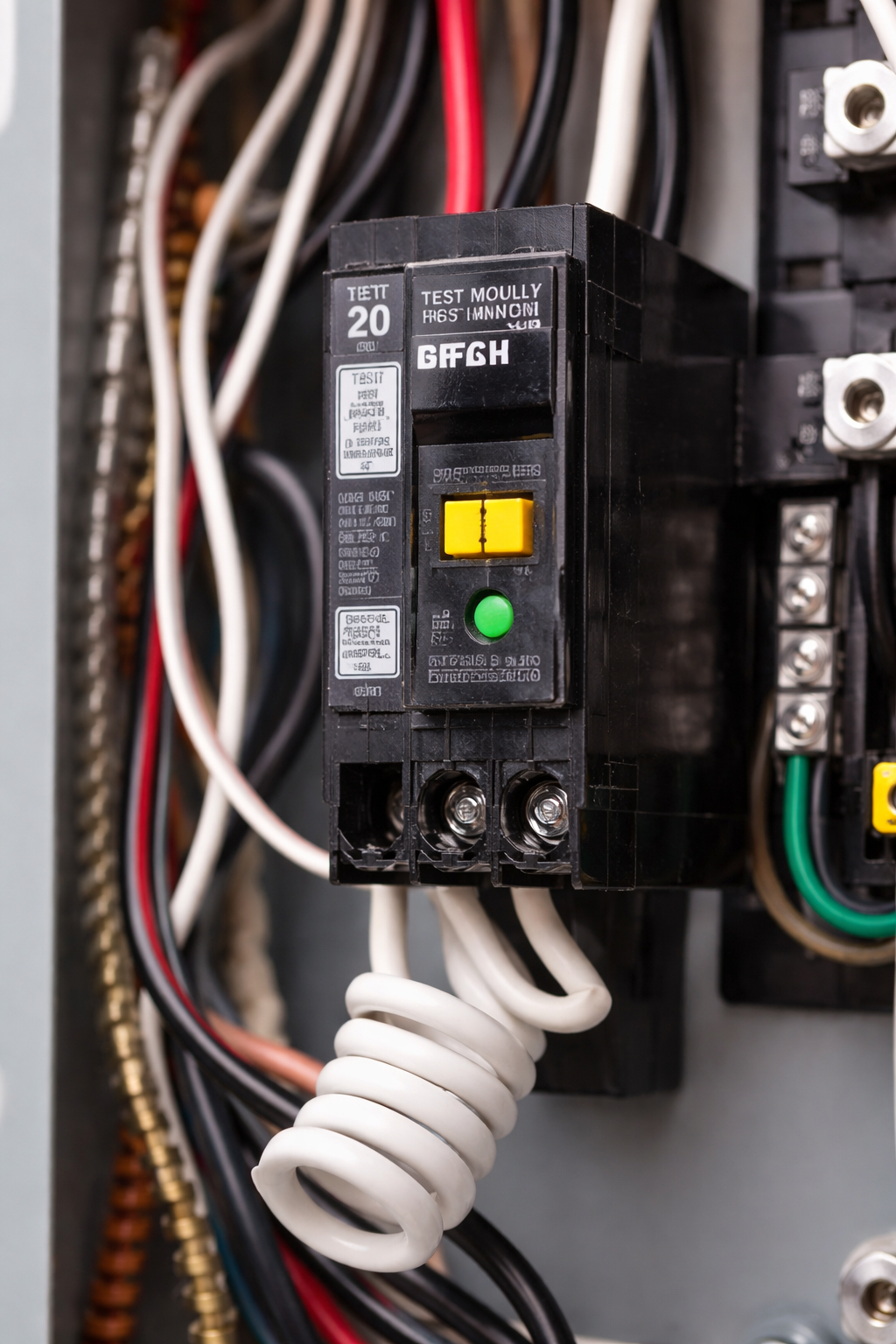 What Is a GFCI Circuit Breaker?
A GFCI circuit breaker monitors the flow of electricity in a circuit. If it detects an imbalance between the outgoing and returning current, it immediately shuts off power to prevent electrical shock.
This reaction happens in milliseconds, significantly reducing the risk of serious injury or electrocution.
How GFCI Breakers Work
Under normal conditions, electrical current flows evenly through the circuit. When a ground fault occurs—such as electricity flowing through water or a person—the GFCI breaker detects the imbalance and trips instantly.
This rapid response is what makes GFCI breakers a critical safety feature in modern electrical systems.
Where GFCI Breakers Are Required
GFCI protection is required in areas where moisture is present or where electrical shock risk is higher. Common locations include:
- Kitchens
- Bathrooms
- Garages
- Outdoor outlets
- Basements and crawl spaces
- Laundry rooms
Local electrical codes may vary, but most modern installations require GFCI protection in these areas.
GFCI Breaker vs GFCI Outlet
GFCI protection can be provided either by a breaker or an outlet. Understanding the difference is important:
- GFCI Breaker: Protects the entire circuit from the electrical panel
- GFCI Outlet: Protects a single outlet or downstream outlets
GFCI breakers are often preferred when multiple outlets need protection or when upgrading older electrical systems.
Common Reasons GFCI Breakers Trip
GFCI breakers are designed to trip when a fault is detected, but frequent tripping may indicate an issue. Common causes include:
- Moisture exposure
- Faulty appliances
- Damaged wiring
- Ground faults in the circuit
If your breaker trips often, read our guide on why circuit breakers keep tripping.
When to Upgrade to GFCI Protection
If your electrical system does not include GFCI protection in required areas, upgrading is strongly recommended. This is especially important in older homes where safety standards may not meet current code requirements.
Learn more about upgrading your system in our guide on when to upgrade your electrical panel.
Choosing the Right GFCI Circuit Breaker
Selecting the correct GFCI breaker depends on your panel type, circuit requirements, and electrical load. Compatibility with your panel brand is critical to ensure safe and proper operation.
For help selecting the right breaker, visit our How to Choose the Right Circuit Breaker guide.
GFCI Breakers and Electrical Safety
Installing GFCI breakers significantly improves electrical safety by reducing the risk of shock and preventing dangerous electrical conditions. They are one of the most effective safety upgrades for residential and commercial systems.
Explore More Circuit Breaker Resources
To learn more about circuit breaker types, safety, and troubleshooting, visit our Circuit Breaker Resource Hub.