One of the most common questions homeowners and contractors ask is how many breakers can be in a panel. The answer depends on the panel’s design, electrical capacity, and manufacturer specifications—not just the physical number of breaker slots.
Understanding breaker limits is important for maintaining a safe electrical system and avoiding overloaded panels or code violations.
Breaker Limits Are Based on Panel RatingEvery electrical panel is designed with a maximum number of circuits it can safely support. This limit is determined by the panel manufacturer and is clearly listed on the panel label.
For example, a panel may be rated for 20, 30, or 40 circuits depending on its size and configuration. Even if additional breakers physically fit, exceeding the rated number of circuits can create safety risks.
It’s important to understand the difference between breaker slots and circuits:
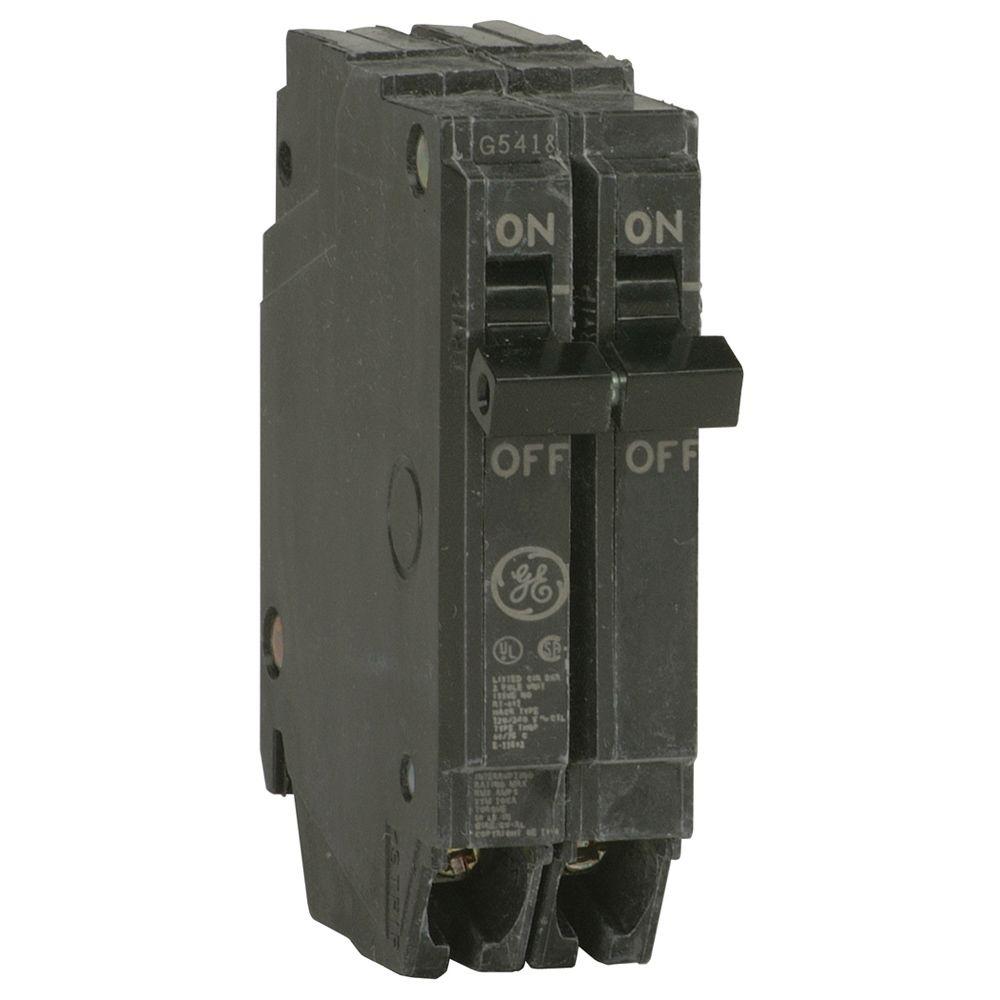
Some panels allow more circuits than slots by using tandem circuit breakers, which fit two circuits into a single slot.
Tandem breakers can increase the number of circuits in a panel without expanding its size. However, they are only allowed in panels that are specifically designed to accept them.
Installing tandem breakers in the wrong panel or exceeding the allowed number of circuits can lead to overheating, code violations, and potential electrical hazards.
Learn more about how these work in our guide to tandem circuit breakers.
While exact limits vary by manufacturer, here are common examples:
Always refer to the panel label to confirm the exact circuit limit for your system.
Adding too many breakers beyond the panel’s rating can result in:
If your panel is already at capacity, adding more circuits without upgrading the panel is not recommended.
If you need more circuits than your panel allows, it may be time for an upgrade. This is especially common during:
Upgrading your panel provides more capacity and improves overall electrical safety.
Learn more about costs in our guide to circuit breaker panel upgrade cost.
Using the correct breaker type and brand is essential for maintaining safe operation. Breakers must be compatible with your panel and rated for the correct electrical load.
For more guidance, visit our How to Choose the Right Circuit Breaker guide.
To learn more about breaker types, troubleshooting, and electrical safety, visit our Circuit Breaker Resource Hub.
Thermal magnetic circuit breakers are one of the most widely used types of circuit protection in residential, commercial, and industrial electrical systems. They combine two separate protection mechanisms—thermal protection for overloads and magnetic protection for short circuits—making them highly reliable and efficient.
These breakers are commonly found in modern electrical panels and are essential for protecting wiring, appliances, and electrical systems from damage caused by excessive current.
Thermal magnetic circuit breakers use a dual protection system:
This combination allows the breaker to protect against both slow-building overloads and sudden electrical faults.
These breakers are standard in many electrical applications, including:
In San Diego, they are commonly used in both new construction and panel upgrades to meet modern electrical code requirements.
Unlike specialty breakers such as AFCI or GFCI breakers, thermal magnetic breakers focus on core electrical protection. They do not provide arc-fault or ground-fault protection but are essential as the primary layer of circuit safety.
Learn more about other breaker types in our guide on circuit breaker types and applications.
You may need to replace a breaker if you notice:
If your breaker is frequently tripping, visit our guide on why circuit breakers keep tripping.
Thermal magnetic circuit breakers are commonly used throughout San Diego homes and businesses due to their reliability and compliance with electrical code standards.
They are often installed during:
For local electrical solutions, visit our main page on circuit breakers in San Diego.
If your panel is outdated or overloaded, upgrading may be the safest solution. Many San Diego homeowners upgrade to support modern appliances, HVAC systems, and EV chargers.
Knowing when to upgrade your electrical panel is essential for maintaining a safe and reliable electrical system. As homes add more appliances, HVAC systems, and modern technology, older panels often struggle to keep up with increased electrical demand.
If your panel is outdated or showing warning signs, upgrading your electrical panel can improve safety, prevent power issues, and support future electrical needs.
If your breakers trip regularly, it may be a sign that your panel is overloaded or unable to handle current electrical demand. Learn more about this issue in our guide on why circuit breakers keep tripping.
If your panel has no room for additional circuits, you may be tempted to use tandem circuit breakers. While this can work in some cases, it is often a sign that a full panel upgrade is the better long-term solution.
Older electrical panels may not meet current safety standards and may not provide reliable protection. Some outdated breaker systems are known to have safety concerns and should be evaluated for replacement.
Lights that flicker or dim when appliances turn on may indicate that your panel cannot handle the electrical load. This is a common sign that your system needs an upgrade.
Installing new appliances such as HVAC systems, electric vehicle chargers, or kitchen equipment increases electrical demand. Many older panels are not designed to support these upgrades.
Home renovations often require additional circuits and increased electrical capacity. Upgrading your panel ensures your system can safely support new wiring and equipment.
Upgrading your panel provides several important advantages:
Most modern homes upgrade to a 200-amp electrical panel to handle current and future electrical needs. The right panel size depends on your home’s electrical usage, number of circuits, and planned upgrades.
If you are unsure how many circuits your panel can support, read our guide on how many breakers can be in a panel.
The cost of upgrading an electrical panel varies based on the size of the panel, labor requirements, and additional electrical work needed. Most residential upgrades fall within a predictable range.
For a detailed breakdown, visit our guide to circuit breaker panel upgrade cost.
When upgrading your panel, selecting the correct breakers is critical for safety and performance. Breakers must match your panel type and electrical requirements.
Learn more in our guide on how to choose the right circuit breaker.
For more information about circuit breaker types, troubleshooting, and electrical safety, visit our Circuit Breaker Resource Hub.
Learn more about pricing in our guide to circuit breaker panel upgrade cost.
If you're looking to buy circuit breakers in San Diego, ESU provides high-quality breakers for residential, commercial, and industrial applications. Whether you're a contractor sourcing materials or a homeowner replacing a faulty breaker, we offer reliable solutions backed by experience and product knowledge.
We carry a wide selection of circuit breakers compatible with major panel brands and designed to meet modern electrical safety standards.

We supply a variety of circuit breakers to meet different electrical system requirements:
If you're unsure which breaker is right for your system, visit our How to Choose the Right Circuit Breaker guide for expert recommendations.
Our circuit breaker supply serves a wide range of customers throughout San Diego:
Whether you need a single replacement breaker or multiple units for a project, we can help you find the right products quickly.

Customers typically purchase circuit breakers for the following reasons:
If your breaker is tripping frequently, read our guide on why circuit breakers keep tripping.
In some cases, simply replacing a breaker is not enough. If your panel is outdated or overloaded, a full upgrade may be the safest and most effective solution.
Learn more about the signs in our guide on when to upgrade your electrical panel or review typical pricing in our panel upgrade cost guide.
We provide circuit breakers throughout San Diego County, including:
If you're comparing suppliers, visit our main page for circuit breakers in San Diego to explore more options and resources.
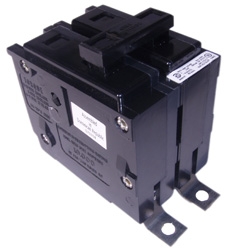
Cutler Hammer Circuit Breakers in San DiegoFor additional guidance on breaker types, safety, and selection, visit our Circuit Breaker Resource Hub.
Ground fault circuit interrupter (GFCI) breakers are designed to protect people from electrical shock by quickly shutting off power when a ground fault is detected. These breakers are essential for maintaining electrical safety in residential, commercial, and outdoor environments.
GFCI protection is required by modern electrical codes in areas where water and electricity may come into contact, making them one of the most important safety components in any electrical system.
What Is a GFCI Circuit Breaker?A GFCI circuit breaker monitors the flow of electricity in a circuit. If it detects an imbalance between the outgoing and returning current, it immediately shuts off power to prevent electrical shock.
This reaction happens in milliseconds, significantly reducing the risk of serious injury or electrocution.
Under normal conditions, electrical current flows evenly through the circuit. When a ground fault occurs—such as electricity flowing through water or a person—the GFCI breaker detects the imbalance and trips instantly.
This rapid response is what makes GFCI breakers a critical safety feature in modern electrical systems.
GFCI protection is required in areas where moisture is present or where electrical shock risk is higher. Common locations include:
Local electrical codes may vary, but most modern installations require GFCI protection in these areas.
GFCI protection can be provided either by a breaker or an outlet. Understanding the difference is important:
GFCI breakers are often preferred when multiple outlets need protection or when upgrading older electrical systems.
GFCI breakers are designed to trip when a fault is detected, but frequent tripping may indicate an issue. Common causes include:
If your breaker trips often, read our guide on why circuit breakers keep tripping.
If your electrical system does not include GFCI protection in required areas, upgrading is strongly recommended. This is especially important in older homes where safety standards may not meet current code requirements.
Learn more about upgrading your system in our guide on when to upgrade your electrical panel.
Selecting the correct GFCI breaker depends on your panel type, circuit requirements, and electrical load. Compatibility with your panel brand is critical to ensure safe and proper operation.
For help selecting the right breaker, visit our How to Choose the Right Circuit Breaker guide.
Installing GFCI breakers significantly improves electrical safety by reducing the risk of shock and preventing dangerous electrical conditions. They are one of the most effective safety upgrades for residential and commercial systems.
To learn more about circuit breaker types, safety, and troubleshooting, visit our Circuit Breaker Resource Hub.